
Table of Contents
- Immediate Steps to Take During a Sewer Backup
- Identifying Main Sewer Line Clog Symptoms
- Common Causes of Recurring Sewer Backups
- Repair Options: From Hydro Jetting to Pipe Replacement
- Preventing Sewer Backups: Long-Term Maintenance
- Health Hazards and Cleanup After Sewage Exposure
- Frequently Asked Questions
Last Updated: October 21, 2026
Immediate Steps to Take During a Sewer Backup
When sewage backs up into your home, time matters. Stop using water immediately. This includes toilets, showers, sinks, and washing machines. Every gallon you send down the drain makes the backup worse.
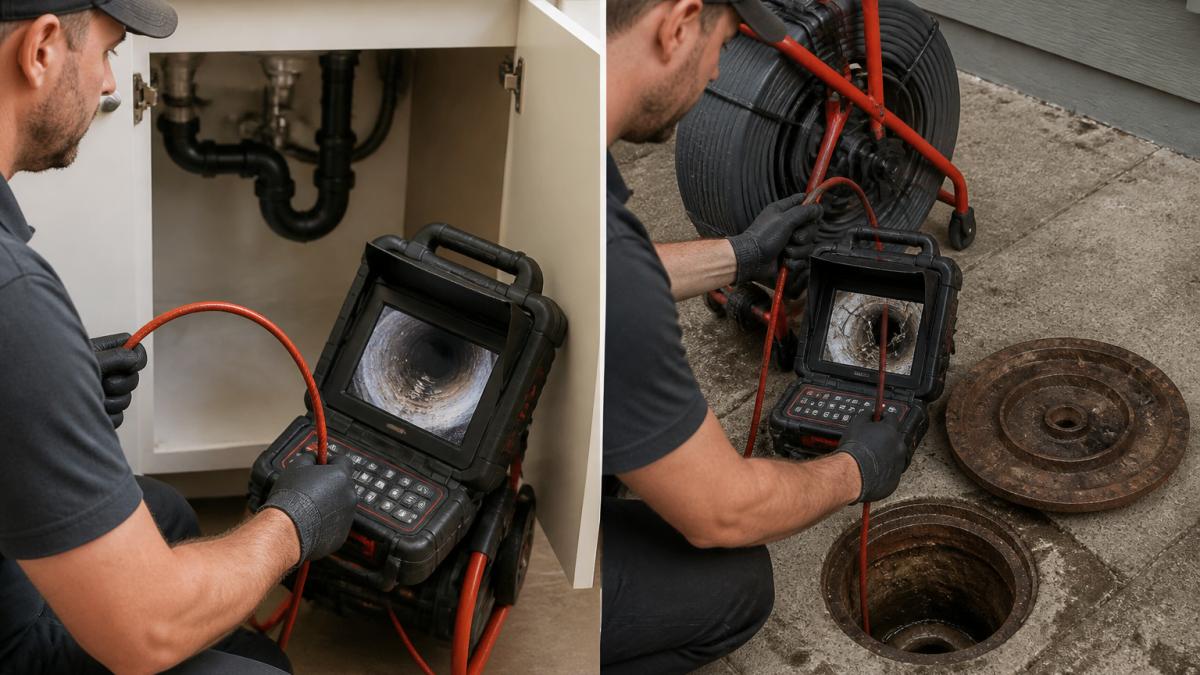
Call a qualified plumbing professional right away. A recurring sewer backup needs expert diagnosis, it won’t resolve on its own. While you wait for the plumber, here’s what to do:
- Stop all water use in your home
- Don’t use the toilet, shower, or sink
- Turn off the washing machine and dishwasher
- Avoid pouring anything down drains
- Keep children and pets away from affected areas
- Document the backup with photos for insurance
At Arsenal Plumbing, we respond to emergency calls 24/7. The longer sewage sits in your home, the greater the health risk and potential property damage. Professional diagnosis happens fast, we can often identify whether the problem is a fixture clog or a main sewer line issue within the first visit.
Identifying Main Sewer Line Clog Symptoms
A main sewer line clog affects your entire plumbing system. Multiple drains back up at the same time, not just one toilet or sink.
Watch for these warning signs:
- Slow drains in multiple fixtures simultaneously
- Gurgling sounds from toilets, showers, or drains
- Sewage smell coming from drains or yard
- Wet patches or sinkholes in your yard
- Toilet backing up when you use the washing machine
- Water pooling in your basement or crawl space
- Sewage coming up through floor drains
A single slow drain usually means a local clog. Multiple slow drains, especially when they happen together, point to a main sewer line problem. If your toilet gurgles when you run the dishwasher, that’s a classic sign, the main line is blocked and water has nowhere to go.
Common Causes of Recurring Sewer Backups
Recurring sewer backups don’t happen by accident. Something is blocking your sewer line repeatedly, or the line itself is damaged. Understanding the cause is the first step toward a permanent fix.
Tree Roots Entering Sewer Lines
Tree roots are one of the most common causes of recurring sewer backups. Roots seek out moisture and nutrients. Your sewer line is both.
Roots enter through small cracks or joints in the pipe. Once inside, they grow and expand, eventually blocking the entire line. The problem gets worse over time.
Older homes with clay or concrete pipes are especially vulnerable. Tree roots can penetrate these materials more easily than modern PVC.
A sewer camera inspection reveals root growth clearly. The video shows roots filling the pipe like a tangled mass. If roots are the problem, you have several repair options depending on severity.
Grease, Fats, and Debris Buildup
Grease and fats coat the inside of sewer pipes over time. They harden and trap other debris, toilet paper, hair, food particles. Layer by layer, the pipe narrows until water can barely flow through.
This happens slowly. You might notice slow drains for months before a full backup occurs. Then one day, everything backs up at once.
Don’t flush these items down the drain:
- Cooking oils and grease
- Butter and lard
- Meat fats
- Dairy products
- Coffee grounds
- Food scraps
- “Flushable” wipes (they don’t break down)
- Paper towels
- Feminine hygiene products
Even small amounts accumulate. A restaurant or busy household can build up significant grease deposits in weeks. Recurring backups from grease often happen in the same spot, where the pipe narrows or changes direction.
Cracked, Damaged, or Deteriorating Pipes
Sewer pipes don’t last forever. Clay pipes last 50-60 years. Concrete pipes last 30-40 years. Cast iron lasts 75-100 years. PVC lasts 100+ years.
As pipes age, they crack and break. Soil shifts and puts pressure on the line. Tree roots exploit the cracks. Water leaks out, and debris gets in. The pipe deteriorates faster.
Recurring backups often signal structural damage. You might notice:
- Backups in the same spot repeatedly
- Wet patches in your yard
- Sewage smell near your sewer line
- Sinkholes or soft spots in the yard
- Multiple backups over months or years
A cracked sewer line needs repair. Temporary fixes like drain cleaning don’t solve the underlying problem. The crack will continue to leak and collect debris.
(/about) offers a free video inspection with hydro jetting service. Seeing the problem on video removes guesswork.
After the inspection, the plumber explains what they found and recommends repair options. You make an informed decision based on real information, not estimates or assumptions.
Repair Options: From Hydro Jetting to Pipe Replacement
Different problems require different solutions. Grease buildup needs one approach. Root intrusion needs another. A cracked pipe needs a third.
Clearing Blockages with Hydro Jetting
Hydro jetting uses high-pressure water to blast away blockages. It clears grease, roots, and debris from inside the pipe without damaging it.
The process works like this:
- A plumber inserts a specialized nozzle into the sewer line
- Water pressure reaches 3,000-4,000 PSI
- The force breaks apart the blockage
- Debris flushes toward the municipal sewer
- The pipe is clean and clear
Hydro jetting works well for grease buildup and debris clogs. It’s less effective if roots have grown deep into the pipe or if the pipe is already cracked.
This is a temporary solution if the underlying cause isn’t fixed. If you don’t stop pouring grease down the drain, the buildup returns. If tree roots keep growing into the pipe, they’ll grow back.
Pipe Lining and Spot Repair
Pipe lining (also called cured-in-place pipe or CIPP) seals cracks without digging up the entire sewer line. A resin-coated tube is inserted into the damaged pipe and inflated. The resin hardens and forms a new pipe inside the old one.
This works for:
- Cracked pipes that aren’t completely broken
- Pipes with multiple small breaks
- Tree root damage that hasn’t destroyed the pipe structure
- Pipes that are still mostly intact but leaking
Spot repair targets one specific section of damaged pipe. The plumber digs up only the damaged area, removes it, and installs new pipe.
Both methods cost less than full replacement because they avoid extensive digging. They work well for localized damage.
Full Pipe Replacement
If the sewer line is severely damaged, cracked throughout, or collapsing, replacement is necessary. The plumber digs up the old pipe and installs new PVC pipe.
This is the most expensive option but provides a long-term solution.
Replacement is recommended when:
- The pipe is mostly deteriorated
- Multiple large cracks exist throughout the line
- The pipe has collapsed
- Previous repairs have failed
- The pipe is older than 50 years and showing widespread damage
Preventing Sewer Backups: Long-Term Maintenance
Once you fix a recurring sewer backup, prevent it from happening again. Regular maintenance protects your sewer line and saves money long-term.
What not to flush:
- Never flush “flushable” wipes, paper towels, or feminine products
- Don’t pour grease, oils, or fats down the drain
- Avoid flushing food scraps or coffee grounds
- Keep hair out of drains with strainers
Drain care:
- Use drain screens to catch debris
- Run hot water weekly to clear minor buildup
- Avoid chemical drain cleaners (they damage pipes)
- Have drains professionally cleaned every 1-2 years
Yard maintenance:
- Plant trees away from your sewer line
- Know where your sewer line runs
- Avoid digging near the line
- Don’t build structures over it
Professional inspections:
- Have your sewer line inspected every 3-5 years
- Get immediate inspection if you notice slow drains
- Address small problems before they become big ones
At Arsenal Plumbing, we recommend preventive maintenance for homeowners with older sewer lines or recurring issues. A simple inspection now prevents expensive emergencies later.
Health Hazards and Cleanup After Sewage Exposure
Sewage contains harmful bacteria, viruses, and parasites (the CDC). Exposure poses serious health risks.
Immediate health precautions:
- Wash hands thoroughly after any contact with sewage
- Don’t let children or pets near contaminated areas
- Wear gloves and masks when cleaning
- Avoid touching your face during cleanup
- Dispose of contaminated materials safely
What to discard:
- Any food that contacted sewage water
- Porous items like carpets, rugs, or upholstered furniture
- Drywall or insulation that was wet with sewage
- Clothing or linens that contacted contaminated water
- Toys or personal items that were exposed
Professional cleanup:
Sewage cleanup requires professional help. Contaminated areas need proper disinfection. Mold can develop within 24-48 hours of water exposure (the CDC).
Contact a professional remediation company. They have proper equipment, training, and disposal protocols. This isn’t a DIY situation.
Sewer lateral responsibility:
The sewer lateral is the pipe from your home to the municipal sewer main. Responsibility varies by location. Some municipalities own the entire line.
Contact your local municipality or water department to learn who’s responsible.
Recurring sewer backups signal a real problem that won’t go away on its own.
Frequently Asked Questions
Why does my sewer line keep getting backed up?
Recurring sewer backups usually stem from one of three causes: tree roots invading the sewer line, grease and debris accumulating over time, or cracked and deteriorating pipes. A professional sewer camera inspection can pinpoint the exact problem. If you’re experiencing multiple backups in the same location, the issue is almost certainly in your main sewer line rather than a fixture clog. Identifying the root cause is essential before investing in a permanent fix.
How can I tell if the problem is in my main sewer line?
Main sewer line clog symptoms include slow drains affecting multiple fixtures simultaneously, gurgling sounds from toilets or drains when washing dishes or flushing, and sewage backup in your lowest-level fixtures such as basement floor drains or bathrooms. If only one toilet or sink is slow, the clog is likely in that fixture’s drain. If multiple drains back up at the same time, especially after heavy water use, the blockage is in your main sewer line and requires professional diagnosis.
What is the best way to permanently fix a recurring sewer backup?
The best solution depends on what a sewer camera inspection reveals. For blockages caused by grease or tree roots, hydro jetting uses high-pressure water to clear debris. For cracked or deteriorating pipes, trenchless pipe lining can seal damage without excavation, or full replacement may be necessary for severe deterioration. A qualified plumbing professional will recommend the most cost-effective option after inspecting your specific situation.
How can I prevent sewer backups from happening again?
Preventing sewer backups involves regular maintenance and responsible water use. Never flush items other than toilet paper; dispose of grease in the trash rather than down the drain. Have your sewer line inspected every 3-5 years if tree roots are present in your yard. Consider root barriers if trees are near your sewer line. Maintain your septic or municipal connection according to local guidelines. Annual drain cleaning can catch buildup before it becomes a problem.