
Quick Summary
To find an honest plumber, first verify an active license on the California Contractors State License Board lookup, then confirm insurance and bond status. Ask for an itemized written estimate before any work begins, and insist that any added charges be approved in writing before they are incurred.
- Check the license on the CSLB lookup and confirm the status reads active.
- Confirm insurance and contractor bond status before any work begins.
- Get a written estimate with labor, parts, permits, and disposal listed separately.
- Ask what happens if more problems are found, and require approval before extra charges.
- Keep the signed estimate and final invoice, and request a written explanation for any overage.
Table of Contents
- Why Finding an Honest Plumber Is Harder Than It Looks
- Verify the License Through the California Contractors State License Board (CSLB) Lookup
- Questions to Ask a Plumber Before Hiring Them
- How to Spot Plumbing Price Gouging and Hidden Fees
- Get Every Quote in Writing With a Plumbing Service Estimate Template
- Checking Reviews, Referrals, and Post-Service Accountability
- Booking Arsenal Plumbing for Free Estimates and Video Inspections
- Frequently Asked Questions
Why Finding an Honest Plumber Is Harder Than It Looks
Last Updated: November 17, 2026
Finding an honest plumber in Northridge is harder than it should be. A leak or backed-up drain puts you under pressure, making it easy to accept the first quote and explanation.
The first step is verification. Before anyone opens a wall or digs a trench, confirm the contractor holds a valid license, in California, through the Contractors State License Board (Check A License).
Honesty also shows in how a company communicates. A reliable plumber explains the problem in plain language, shows you the damaged part when possible, and gives a written estimate before work begins.
Verify the License Through the California Contractors State License Board (CSLB) Lookup
Start by checking the California Contractors State License Board (CSLB) lookup before you agree to any work.
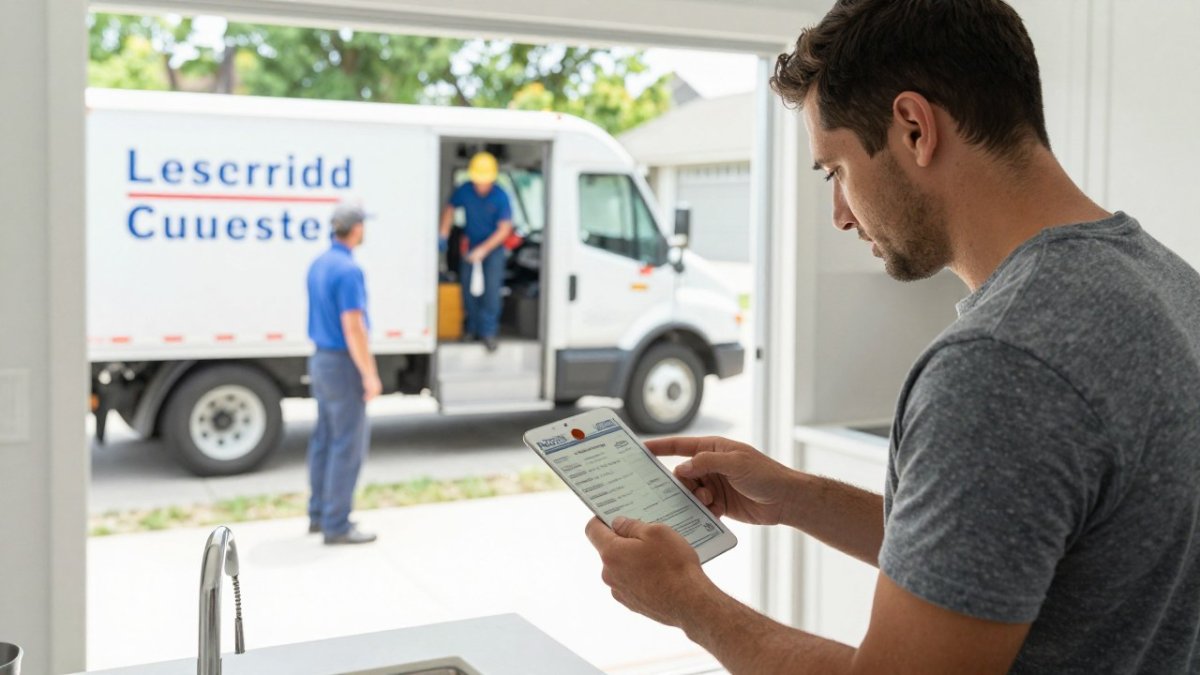
Search the business name and license number, not just the name on the truck, companies can change names, and some operate under several.
Check the complaint history and any disciplinary actions.
Note the insurance and bond status too. An uninsured contractor can leave you exposed if a worker is injured on your property or a repair causes damage.
Questions to Ask a Plumber Before Hiring Them
Ask these questions before the work starts. Honest plumbers answer them directly.
- Is your license active, and which classification do you hold? Confirm it on the CSLB lookup yourself.
- Are you insured, and can you send a certificate of insurance? Ask for the policy details and who is named.
- Will you give me a written estimate with a line-item breakdown? Labor, parts, permits, and disposal should be separate.
Pay attention to tone as well as content. A plumber who answers clearly and welcomes these questions is easier to work with than one who gets defensive.
Before any work begins, these are the questions an honest plumber should answer directly, along with what a good answer looks like.
| Question | What to look for | Why it matters |
|---|---|---|
| Is your license active, and which classification do you hold? | Confirm on the CSLB lookup yourself | Verifies legal authority to do the work |
| Are you insured, and can you send a certificate? | Policy details and who is named | Protects you if a worker is injured or damage occurs |
| Will you give me a written estimate with line items? | Labor, parts, permits, disposal listed separately | Lets you compare bids apples to apples |
| What is your workmanship warranty and how long? | Terms stated in writing | Shows confidence in the repair |
| Who will be on site, employees or subcontractors? | Clear answer about who does the work | Affects accountability and quality |
| Do you pull permits when required? | Yes, when the job calls for one | Unpermitted work can cause problems at sale |
| What if the problem is bigger once work starts? | Stops, calls you, and gets approval first | Prevents surprise charges |
How to Spot Plumbing Price Gouging and Hidden Fees
Getting an itemized quote is a sound starting point. Recognizing the sales tactics that can turn a fair quote into an inflated invoice is the harder skill. This section focuses on how to tell whether a recommendation is a genuine repair or an upsell.
The Three Upsell Patterns to Recognize
A common pattern in the trade is the escalation pitch.
The second pattern is the good-better-best menu priced so the middle option looks reasonable. Ask for the price of the repair you originally called about, on its own, before the menu is presented.
The third is emergency premium stacking. After-hours rates are legitimate, but watch for a base emergency fee plus separate trip, diagnostic, and after-hours labor charges.
What a Fair Estimate Actually Contains
A written estimate should separate these line items so you can compare bids apples to apples:
- Service call or trip charge (state whether it is waived if you approve the work)
- Diagnostic fee (state whether it is credited toward the repair)
- Labor, quoted in hours at a stated rate, not a lump sum
A quote that bundles everything into one number isn’t necessarily dishonest, but it removes your ability to compare. Ask for the breakdown in writing before you sign.
The Estimate-to-Invoice Test
The clearest honesty signal is what happens between the estimate and the final invoice. Ask this question before work begins: “If you find something else once you open the wall, what is the process?” The honest answer involves stopping, calling you, explaining the finding with photos, and getting your approval in writing, by text or email is fine, before any additional charge is incurred.
Watch out: a contractor who says “we’ll just handle it and settle up at the end” is removing your ability to approve additional charges, exactly the mechanism that produces invoice shock.
Comparing Bids Without Getting Fooled
Get at least two written estimates for any repair above a few hundred dollars, and compare them line by line rather than by total. A large gap usually means one bidder is padding, one is underpricing to win the job and will find change orders later, or the bids cover different scopes. Ask the higher bidder to explain the difference in writing.
Be cautious with any quote delivered only by phone. It’s a placeholder, not an estimate, because the contractor hasn’t seen the problem. Treat it as a starting range and insist on a written estimate after the on-site diagnosis.
Payment Terms That Protect You
A fair payment structure ties money to completed work: a deposit for materials on large jobs, progress payments at defined milestones, and final payment after you’ve tested the repair. Be wary of full payment upfront on a repair, and of cash-only requests, which remove the paper trail you’d need if the work fails. Ask for a receipt with the company name, CSLB license number, and a description of work performed, every time.
Get Every Quote in Writing With a Plumbing Service Estimate Template
A written service estimate protects you and the contractor. Use a simple template that includes these fields:
Plumbing Service Estimate
Contractor name: __________
CSLB license number: __________
Insurance carrier and policy number: __________
Property address: __________
Description of problem: __________
Scope of work (itemized): __________
Labor (hours and rate): __________
Materials and parts: __________
Permit fees, if applicable: __________
Disposal and cleanup: __________
Total estimate: __________
Warranty terms: __________
Estimate valid until: __________
Customer signature and date: __________
Keep a copy of every signed estimate. If the final invoice differs from the estimate, ask for a written explanation before paying.
Checking Reviews, Referrals, and Post-Service Accountability
Reviews and referrals help you choose; accountability protects you after the truck leaves. This section covers both the selection signals and the follow-through mechanics that matter when something goes wrong.
Reading Reviews for Honesty Signals, Not Just Stars
Look for reviews describing a specific problem, the work performed, and how the company handled a complication. “Fixed our slab leak in Northridge, showed us the camera footage, and the final bill matched the estimate” tells you more than fifty five-star “great service” reviews. Be skeptical of a cluster of five-star reviews posted in a short window, and read the negative reviews first, how a company responds to a critic previews how it will handle your complaint.
Referrals That Actually Reveal Something
A neighbor’s referral is useful, but ask three follow-up questions: Did the final bill match the estimate? Did the problem stay fixed? Would you use them again? A referral that survives those three questions beats any directory listing. Property managers and local business owners are especially good sources because they hire plumbers repeatedly and see the invoices.
What to Do If the Final Invoice Exceeds the Estimate
If the invoice is higher than the written estimate, ask for a written explanation of each added charge before you pay. Consumer protection agencies publish guidance on contract and billing practices, and a contractor who can’t justify an overage in writing shouldn’t be paid without a paper trail.
Watch out: paying the full invoice “under protest” without documenting the dispute in writing weakens your position if you later file a CSLB complaint or pursue the bond claim described below.
What to Do If the Repair Fails Within the Warranty
Ask before hiring what the warranty covers and how a callback is requested. A reliable company has a defined process: you call, they schedule a return visit, and they fix their own work free within the warranty period. Get the warranty terms in writing on the estimate. If the repair fails and the company won’t return, document the failure with photos and dates and send a written service request.
The Bond and License Complaint Path
Licensed contractors are typically required to carry a contractor bond, and licensing boards generally administer complaint processes. If a licensed contractor performs defective work and won’t make it right, you may be able to file a complaint and, in some cases, pursue a claim against the bond. That’s why verifying license and bond status before hiring matters: an unlicensed or unbonded operator leaves you no administrative remedy.
A Simple Post-Service Checklist
- Save the signed estimate and the final invoice together
- Photograph the completed work before the technician leaves
- Confirm the warranty terms in writing
For a closer comparison of competing local providers, read our Consumer Reviews guidance on evaluating service businesses to see how to weigh online feedback against other evidence.
Booking Arsenal Plumbing for Free Estimates and Video Inspections
Arsenal Plumbing has served the San Fernando Valley since 1993. You can book a free estimate online or by calling 818-363-1833, and you can compare our emergency plumber options before you call.
For property managers, our team can be contacted about maintenance needs for rental properties. You can also review our contact details to reach the office during business hours.
Before you decide, read our guide on avoiding hidden fees on plumbing repairs and our side-by-side look at Dutton Plumbing and Titan Brothers Plumbing. For rental portfolios, our plumbing maintenance guide for property managers covers how to vet ongoing service providers.
Find an honest plumber by checking the license, asking the right questions, and getting every quote in writing.
Frequently Asked Questions
How do I find an honest plumber?
Start with referrals from neighbors, property managers, or local businesses, then narrow the list by checking each company’s license on the California Contractors State License Board (CSLB) lookup. Confirm the license is active, the business is bonded and insured, and the name on the license matches the company you are hiring. Ask for a written estimate before any work starts, and compare at least two quotes. Plumbers who explain the problem clearly, offer upfront pricing, and put their terms in writing are usually easier to trust than those who push for immediate decisions or cash payment.
How do I tell if a plumber is ripping me off?
Warning signs include a quote that changes significantly after the plumber arrives, vague line items such as ‘additional fees,’ pressure to approve work the same day, and refusal to show the problem or replaced parts. Compare the final invoice against the written estimate and ask the plumber to explain each charge. If the total is far above the estimate with no documented reason, dispute the charge in writing and keep copies of all communication. You can also report unlicensed or abusive work to the CSLB.
What questions should I ask a plumber before hiring them for a major repair?
Ask for the CSLB license number and confirm it is active. Ask whether the company is bonded and insured and request a certificate of insurance. Find out who will perform the work, whether they are employees or subcontractors, and how long the job should take. Ask for a written estimate that lists labor, materials, and any permit costs, and ask what warranty covers the workmanship. Clear, direct answers to these questions are a good sign of a reliable contractor.
How can I tell if a plumbing quote is fair or inflated?
Get at least two or three written estimates for the same scope of work and compare them line by line. Large differences in labor hours, unexplained materials, or a flat fee that seems high for a simple repair are common signs of inflation. Ask the plumber to explain the pricing basis, whether flat-rate or hourly, and confirm that the quote includes all fees. Arsenal Plumbing provides free estimates and a free video inspection with hydrojetting, and current pricing depends on the job, so contact the company directly for a quote.
